Between Tenants, a Chance to Renew the Home
Poly-B to PEX-A Heating Pipe Replacement
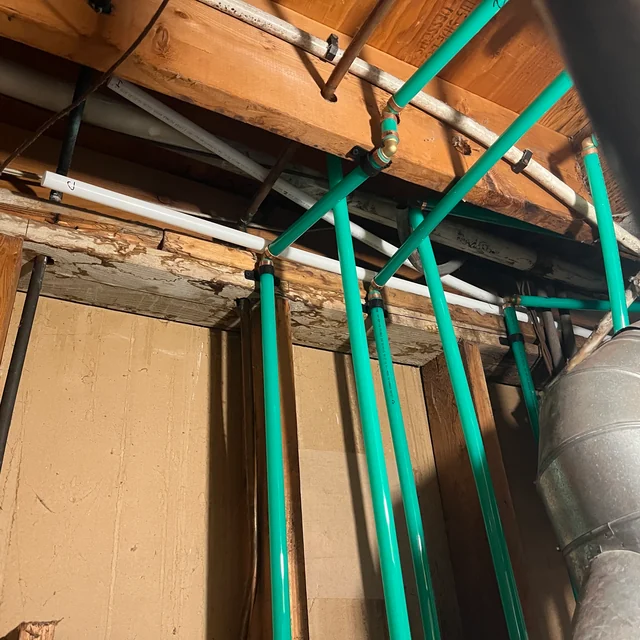
The landlord replaced aging pipes before renting the home again.
The baseboard heating system was reconnected in two days.

Water heater and plumbing solutions tailored to your home, your household’s needs and the work required.
BOOK AN ASSESSMENT
From running short on hot water to replacing aging pipes, explore how we addressed each home’s needs.
Poly-B to PEX-A Heating Pipe Replacement
The landlord replaced aging pipes before renting the home again.
The baseboard heating system was reconnected in two days.
Rheem Tank Water Heater Replacement
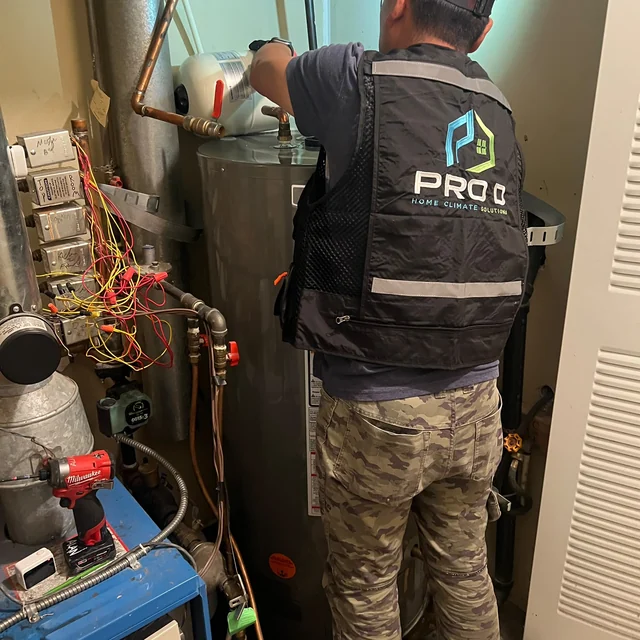
A failed water heater left student tenants without hot showers.
ProD replaced it the next day, restoring hot water.
Whole-Home Poly-B Pipe Replacement
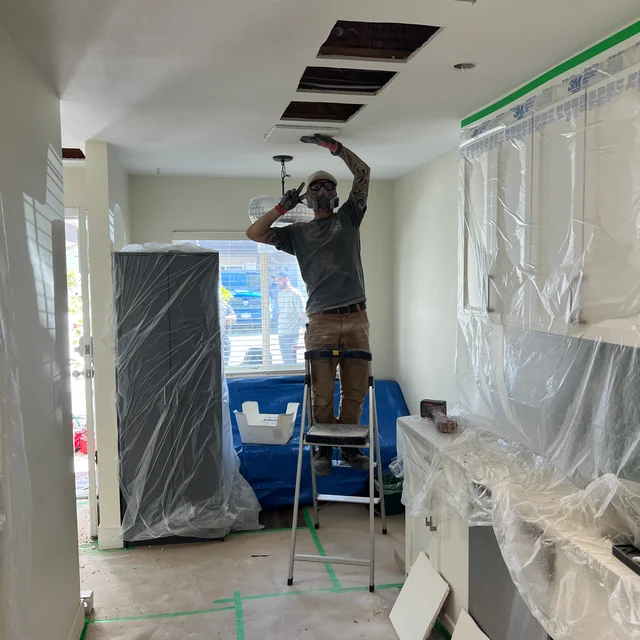
The owners needed to replace their Poly-B pipes to renew their home insurance.
ProD completed the repiping in three days while protecting the home and arranging repairs.




CLIMATEPROFILE™
Our assessment-first approach helps us understand your home, your current system and what matters to your
comfort — before we recommend a solution.
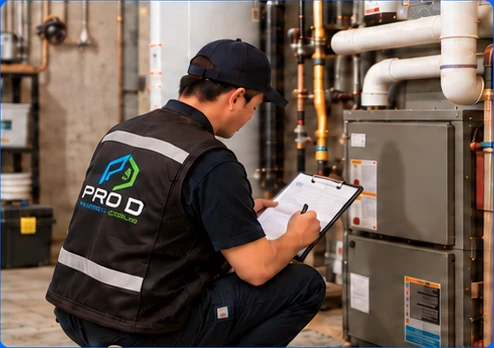
Home layout, current equipment,
comfort concerns and everyday
household needs.
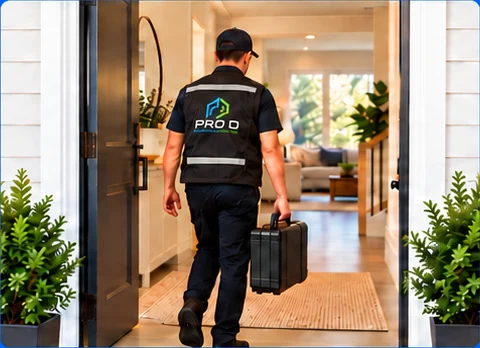
Heating, cooling, hot water,
available space, connections and
electrical requirements.

Clear options and next steps, so
the homeowner understands what
suits the home and why.
Backed by 10+ years of team industry experience.
1DAY
For qualifying projects,
installation is completed
on the same calendar
day work begins.
4LICENSED
Licensed Trades. HVAC /
Refrigeration, Gas, Electrical
and Plumbing - coordinated
for your home.
48HOURS
For ProD-installed systems: if
we don't respond within 48 hours
of receiving your message or
voicemail, coffee is on us.

Boiler, Pressure Vessel,
Refrigeration

Gas

Electrical

HPCN Member

Red Seal Certified Plumber

$5 million liability coverage
We can help you access available programs for your heating and cooling project.



You may be eligible for rebates on heat pumps and high-efficiency equipment.
Our team can help you understand your options and apply.
Answers to common water heating & plumbing questions.
The best option often depends on your household’s hot-water usage and habits. If you need continuous hot water for extended periods, such as one to two hours, a tankless water heater may be a good option because it can provide continuous hot water. However, its capacity is limited by the unit’s flow rate and the number of hot-water fixtures being used at the same time. Depending on the model and water demand, it may typically support around 3–3.5 hot-water fixtures simultaneously. Some homeowners also prefer tankless systems to save space and reduce the risk of water leakage associated with a storage tank. ProD considers your hot-water usage, available space, energy source, installation conditions, and budget before recommending the most suitable solution.
For a tank water heater, ProD considers the tank size and your household’s hot-water usage. For a tankless system, we consider the required hot-water flow rate. ProD will assess your needs and recommend the right size for your home.
Poly-B (polybutylene) is a plastic water-supply pipe used in many older homes. As it ages, it may be at risk of deterioration, leaks or bursting. Some insurers may require replacement or ask for information about the piping and replacement work before considering policy renewal. Common replacement options include PEX-A and PEX-B, but accepted materials and requirements vary by insurer, so check with your insurance provider. ProD can arrange for qualified, licensed plumbing professionals to replace the piping and provide relevant project information for you to share with your insurer. Replacing Poly-B does not guarantee insurance coverage, as the insurer may consider other factors.
A tankless water heater can provide continuous hot water as long as the demand stays within its designed capacity. However, the number of hot-water fixtures that can be used at the same time is limited by the system’s flow rate and temperature rise. Gas or electrical capacity, venting, water supply, and maintenance requirements should also be considered.
An indirect water heater uses heat from a boiler to heat domestic hot water stored in a separate tank. ProD considers the boiler capacity, existing piping and controls, household hot-water demand, and available space before recommending an indirect water heater.
A boiler normally heats circulating water for radiant floors, radiators or hydronic baseboards. A water heater primarily supplies domestic hot water. Some combi boilers do both, but suitability depends on the home's needs and system design.
Some access openings may be needed. Water pipes are often concealed inside walls or ceilings, so openings are required to reach and replace them. The number and location of openings depend on the pipe routing and the home's construction. We will assess the home on site, propose an initial plan and aim to avoid unnecessary openings. Repair or finishing work after openings are made depends on the project scope and your preferences. In some locations, an access panel may be suitable. If you would like affected wall or ceiling surfaces restored, that work can also be discussed and specified in the project scope.